

- how-your-spine-affects-back-pain-relief
- spinal-structure-and-its-impact-on-pain
- common-spinal-causes-of-back-pain
- how-to-identify-spine-related-back-pain
- effective-treatment-approaches-for-spinal-issues
- real-case-a-patient-s-story-of-recovery
- why-early-diagnosis-matters-for-spine-health
- turn-to-chiroscope-for-specialized-back-care
1. How Your Spine Affects Back Pain Relief
Understanding the connection between back pain relief and your spine begins with realizing just how central the spine is to almost every movement your body makes. The spine is a delicate system of vertebrae, discs, nerves, and muscles. When something is misaligned, compressed, or injured, it often leads directly to discomfort or chronic pain. Targeting the root spinal issue—not just the symptoms—is key to achieving long-term relief.
2. Spinal Structure and Its Impact on Pain
2.1 The Role of Vertebrae and Discs
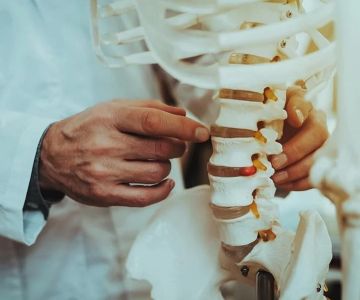
The spine is made up of 33 vertebrae and cushion-like discs that absorb shock. Over time, these discs may degenerate, bulge, or herniate, causing pressure on nerves and resulting in radiating pain through the back, hips, or legs.
2.2 How Spinal Curvature Matters
An overly curved (lordotic or kyphotic) spine can redistribute weight unevenly, causing muscle strain or compression in certain areas. This imbalance may not be noticeable immediately but can contribute to persistent back pain that resists general treatments.
3. Common Spinal Causes of Back Pain
3.1 Herniated Disc
When the soft inner material of a spinal disc pushes through its tougher outer shell, it can press on nearby nerves. This condition is common in the lumbar spine and may result in sciatica—pain radiating down one or both legs.
3.2 Spinal Stenosis
This condition involves narrowing of the spinal canal, which compresses the spinal cord or nerves. It’s often age-related and leads to numbness, tingling, and cramping—especially while walking or standing for long periods.
3.3 Spondylolisthesis
In this case, one vertebra slips forward over another, destabilizing the spine and leading to back pain or nerve irritation.
4. How to Identify Spine-Related Back Pain
4.1 Symptom Patterns
Spine-related pain typically worsens with certain movements, such as bending, lifting, or twisting. You may notice numbness, tingling, or weakness in the arms or legs—signs of nerve involvement.
4.2 Diagnostic Imaging
X-rays, MRIs, or CT scans are crucial in identifying structural abnormalities in the spine. At ChiroScope, advanced imaging is often paired with a full musculoskeletal assessment to determine the exact source of the problem.
5. Effective Treatment Approaches for Spinal Issues
5.1 Chiropractic Adjustments
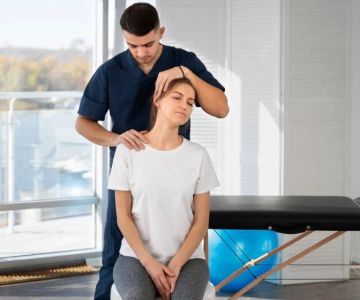
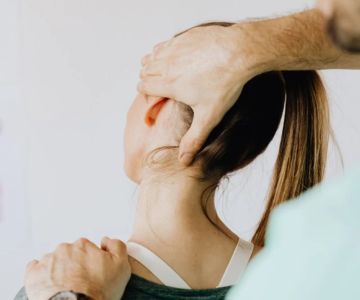
Proper spinal alignment can be restored with precise chiropractic techniques that ease pressure on nerves, improve posture, and enhance mobility.
5.2 Physical Therapy and Rehab
Strengthening core muscles and stretching tight areas helps prevent future spinal strain. Personalized rehab programs at centers like ChiroScope can make all the difference in long-term outcomes.
5.3 Surgical Options
In severe cases where conservative treatments fail, procedures like laminectomy, discectomy, or spinal fusion may be recommended. A spine specialist should always be consulted first.
6. Real Case: A Patient’s Story of Recovery
Mark, a 47-year-old construction worker from Denver, suffered from constant lower back pain for three years. Despite trying massages, painkillers, and rest, nothing worked until a spine exam revealed a herniated disc pressing against a nerve. With chiropractic care and decompression therapy at ChiroScope, he regained mobility within 8 weeks and avoided surgery.
7. Why Early Diagnosis Matters for Spine Health
7.1 Avoid Chronic Pain
Spine-related pain that goes untreated can become chronic. The earlier you address it, the easier it is to reverse damage and relieve discomfort.
7.2 Prevent Secondary Problems
Untreated spinal issues often lead to poor posture, overcompensation, and joint problems in hips and knees. A timely diagnosis and intervention can prevent this downward spiral.
8. Turn to ChiroScope for Specialized Back Care
At ChiroScope, back pain relief isn’t just about easing symptoms—it’s about understanding the spine’s role in overall health. Whether you’re dealing with stiffness, sciatica, or disc problems, our professionals offer patient-centered care backed by years of clinical experience. Get the help you need from a team that understands how your spine influences every movement you make.


 Trimble Chiropractic0.0 (0 reviews)
 Hand Crafted Chiropractic5.0 (237 reviews)
 Lincoln Park Health Care Center0.0 (0 reviews)
 Today's Chiropractic4.0 (49 reviews)
 Heikkinen Chiropractic and Acupuncture Center5.0 (189 reviews)
 Novo Soft Tissue4.0 (127 reviews)
 Chiropractic Care for Seniors: Enhancing Mobility and Quality of Life
 The Benefits of Chiropractic Care for Managing Chronic Pain
 How to Treat and Manage Sciatica Pain with Chiropractic Care
 Chiropractic for Neurological Conditions: How It Can Help the Nervous System
 How Chiropractors Help With Desk Job Posture Problems and Why It Works
 How Chiropractic Care Can Support Your Immune System Function