
- 1- Understanding Sciatica and Its Impact on Your Spine
- 2- The Connection Between Sciatica Treatment and Your Spine
- 3- Effective Treatment Options for Sciatica
- 4- How Chiropractic Care Can Help with Sciatica
- 5- Preventing Sciatica and Maintaining Spine Health
1- Understanding Sciatica and Its Impact on Your Spine
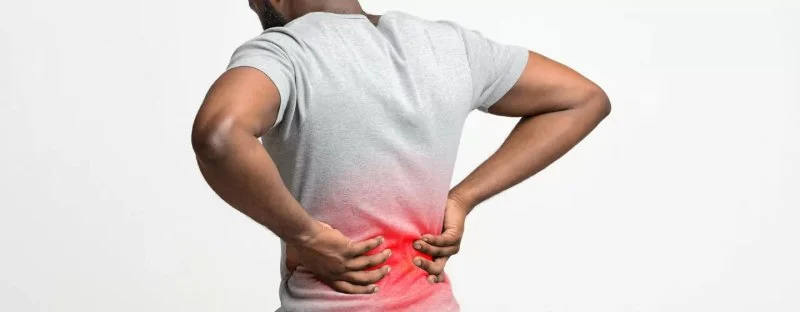
Sciatica is a condition characterized by pain that radiates along the path of the sciatic nerve, which runs from your lower back through your hips and buttocks and down each leg. It usually occurs when the sciatic nerve is compressed due to a herniated disk, bone spur, or narrowing of the spine (spinal stenosis). This pain can range from mild to severe and can impact your daily activities significantly. It’s essential to understand how sciatica affects your spine to find the best treatment options available.
2- The Connection Between Sciatica Treatment and Your Spine
When dealing with sciatica, the underlying cause is often related to spinal health. The spine, which houses the spinal cord and nerves, is responsible for proper nerve function. In cases of sciatica, issues like misalignment, herniated discs, or even poor posture can lead to pressure on the sciatic nerve. Understanding this connection is crucial because the treatment for sciatica focuses not only on relieving pain but also on addressing the root cause of nerve compression, which often stems from spinal problems.
Many people suffering from sciatica report relief after addressing spinal issues through various treatments, which may include physical therapy, chiropractic care, and sometimes surgery. Therefore, managing spinal health is integral to managing and treating sciatica.
3- Effective Treatment Options for Sciatica
There are several treatment options available to relieve sciatica pain, and many of them focus on relieving pressure from the spine to reduce the strain on the sciatic nerve. Here are some of the most common treatments:
- Physical Therapy: A physical therapist can guide you through exercises designed to strengthen the muscles supporting your spine, reduce pressure on the sciatic nerve, and improve posture.
- Medications: Over-the-counter pain relievers, such as ibuprofen or acetaminophen, can help alleviate pain. For more severe cases, doctors may prescribe stronger pain medications or muscle relaxants.
- Chiropractic Adjustments: Chiropractors use spinal manipulation to address misalignments and alleviate pressure on the sciatic nerve. This approach can improve spinal alignment and reduce pain.
- Injections: In some cases, corticosteroid injections can be used to reduce inflammation and relieve pressure on the nerve, providing temporary relief from pain.
- Surgery: Surgery may be necessary if other treatments do not provide relief. This might involve removing part of a herniated disc or addressing spinal stenosis to alleviate nerve pressure.
4- How Chiropractic Care Can Help with Sciatica
Chiropractic care is one of the most effective and natural ways to treat sciatica. Chiropractors specialize in diagnosing and treating conditions related to the spine and musculoskeletal system. By performing spinal adjustments, chiropractors help realign the vertebrae, which can relieve the pressure on the sciatic nerve, reducing pain and inflammation.
Many patients find significant relief from sciatica pain after a few chiropractic sessions, especially when combined with other treatments such as physical therapy or stretching exercises. Chiropractors may also recommend lifestyle changes, including posture correction and exercises, to prevent the recurrence of sciatica.
5- Preventing Sciatica and Maintaining Spine Health
Preventing sciatica is possible by maintaining good spinal health and following a few simple lifestyle tips. Here are some effective prevention methods:
- Exercise Regularly: Regular physical activity, especially exercises that strengthen the back and core muscles, can help support your spine and prevent sciatica.
- Maintain Good Posture: Ensure that you are sitting and standing with proper posture to reduce strain on your spine.
- Lift Properly: Always bend your knees and use your legs when lifting objects to avoid putting strain on your back.
- Stay at a Healthy Weight: Excess weight, particularly around the abdomen, can strain the lower back, so maintaining a healthy weight can reduce the risk of sciatica.
- Stretch and Strengthen: Incorporate stretching and strengthening exercises into your daily routine to improve flexibility and muscle tone, which will help protect your spine.
Taking these preventive steps can not only help prevent sciatica but also contribute to the long-term health of your spine, reducing the risk of future injuries or conditions that could lead to sciatica.






 Peralta Chiropractic Garland4.0 (46 reviews)
 Kane Bixby D.C.5.0 (2 reviews)
 Applied Kinesiology Center of New Jersey5.0 (125 reviews)
 Thomas Family Chiropractic5.0 (23 reviews)
 Edison Pain And Rehab Center4.0 (70 reviews)
 Austin Chiropractic4.0 (98 reviews)
 Best Chiropractic Treatments for Natural Pain Management According to Experts
 Expert Tips for Managing Desk Job Posture Problems Naturally with Chiropractic Care
 Chiropractic Advice for Better Sleep and Posture | ChiroScope
 Top Questions About Chiropractic Side Effects Answered by Chiropractors
 Chiropractic Advice for Chiropractic Insurance Coverage You Can Start Today
 Understanding How Chiropractic Adjustments Impact the Body’s Natural Healing Process