
How to Relieve Sciatica Treatment Without Medication – Chiropractor Approved
- 1. Understanding Sciatica and Its Causes
- 2. Chiropractic Approach to Relieving Sciatica
- 3. Effective Exercises for Sciatica Relief
- 4. Lifestyle Changes to Help Prevent Sciatica
- 5. When to Seek Chiropractic Care for Sciatica
1. Understanding Sciatica and Its Causes
Sciatica is a common condition that causes pain radiating along the sciatic nerve, which runs from the lower back through the hips and buttocks and down each leg. This pain is typically caused by irritation, inflammation, pinching, or compression of a nerve in the lower back. It can range from mild to severe and often worsens with sitting, standing, or certain movements.
The most common cause of sciatica is a herniated disc, but other conditions like spinal stenosis, degenerative disc disease, or muscle spasms can also lead to sciatic pain. It's important to identify the root cause of the pain to choose the best course of treatment.
2. Chiropractic Approach to Relieving Sciatica
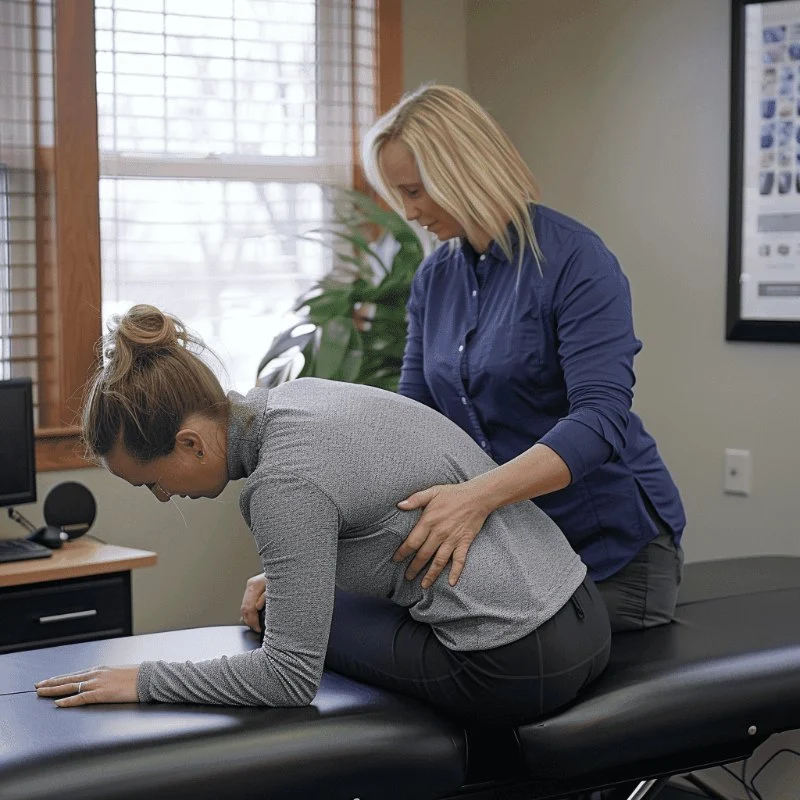
Chiropractic care is one of the most effective non-invasive treatments for relieving sciatica pain. Chiropractors focus on diagnosing and treating musculoskeletal issues, particularly in the spine. They use hands-on spinal manipulation and other techniques to restore proper alignment, which can alleviate pressure on the sciatic nerve.
2.1 Spinal Adjustments for Sciatica Relief
A chiropractor will typically perform spinal adjustments (also known as spinal manipulations) to correct misalignments in the spine. These adjustments help relieve pressure on the sciatic nerve, reducing inflammation and improving nerve function. Many people find significant relief from sciatica pain after just a few chiropractic sessions.
2.2 Soft Tissue Therapy
Soft tissue therapy, including massage and myofascial release, can help release tension and tightness in the muscles surrounding the sciatic nerve. This technique helps reduce pain, improve flexibility, and prevent future flare-ups of sciatica.
3. Effective Exercises for Sciatica Relief
Alongside chiropractic treatments, incorporating specific exercises into your routine can greatly improve sciatica symptoms. These exercises strengthen the muscles in your back and core, which helps to support the spine and prevent nerve compression. Below are a few exercises recommended by chiropractors for sciatica relief:
3.1 Knee to Chest Stretch
This exercise helps stretch the lower back and relieves pressure on the sciatic nerve. Lie on your back with your knees bent and feet flat on the floor. Bring one knee up toward your chest, holding it with both hands for 20-30 seconds. Repeat with the other leg.
3.2 Cat-Cow Stretch
The Cat-Cow Stretch promotes flexibility in the spine and helps alleviate sciatica pain. Start on all fours, with your hands under your shoulders and knees under your hips. Inhale as you arch your back (Cow), and exhale as you round your back (Cat). Repeat several times.
3.3 Piriformis Stretch
Stretching the piriformis muscle (which is located near the sciatic nerve) can help relieve sciatica pain. Sit on the floor with one leg bent in front of you and the other leg crossed over. Gently press the knee of the crossed leg toward the floor, holding for 20-30 seconds before switching sides.
4. Lifestyle Changes to Help Prevent Sciatica
Making a few changes to your lifestyle can help prevent sciatica pain or reduce its frequency. Here are some chiropractor-approved lifestyle tips:
4.1 Maintain Good Posture
Poor posture, especially when sitting for long periods, can contribute to sciatica pain. Ensure that your workstation is ergonomically set up, sit with your back straight, and avoid slumping or slouching.
4.2 Avoid Prolonged Sitting
Prolonged sitting puts added pressure on your spine and can lead to sciatica flare-ups. Make a habit of standing or walking around every 30 minutes to reduce the strain on your back and legs.
4.3 Regular Exercise
Regular physical activity, particularly exercises that strengthen the core and lower back muscles, can significantly reduce the risk of sciatica. Activities like swimming, walking, and yoga are great for spinal health.
5. When to Seek Chiropractic Care for Sciatica
If your sciatica pain persists despite self-care measures or worsens over time, it may be time to consult a chiropractor. Chiropractors specialize in diagnosing and treating musculoskeletal issues, and they can help identify the underlying cause of your pain. A chiropractor will assess your spine, posture, and overall health to create a personalized treatment plan.
Early intervention can help prevent long-term damage and improve the chances of full recovery without the need for medication or surgery.
For more information on sciatica treatment and to find a chiropractor near you, visit ChiroScope, your go-to source for chiropractic services and recommendations.






 Jonathan Nou, DC0.0 (0 reviews)
 Taffuri Integrated Wellness Centers5.0 (48 reviews)
 Functional Health Centers of Prosper5.0 (96 reviews)
 Foundation Chiropractic5.0 (7 reviews)
 NeuroActive Health5.0 (5 reviews)
 Anodyne of South Denver4.0 (30 reviews)
 How to Relieve Pain with Chiropractic Techniques Without Medication – Chiropractor Approved
 How Chiropractic Adjustments Can Improve Natural Pain Relief
 10 Things You Should Know About Chiropractic Adjustment
 10 Things You Should Know About Chiropractic Side Effects
 Chiropractic Solutions for Managing Neck and Shoulder Pain | ChiroScope
 Is Back Pain Relief Affecting Your Daily Life? Here's How a Chiropractor Can Help