
- 1- Understanding Lower Back Pain and Its Causes
- 2- How Chiropractic Care Can Help Relieve Lower Back Pain
- 3- Expert Tips for Managing Lower Back Pain Naturally
- 4- The Importance of Regular Chiropractic Adjustments
- 5- Additional Lifestyle Changes for Better Back Health
- 6- When to Seek Professional Chiropractic Care for Lower Back Pain
1- Understanding Lower Back Pain and Its Causes
Lower back pain is one of the most common ailments that many people experience. It can occur due to a variety of reasons, such as poor posture, injury, muscle strain, or underlying medical conditions. In some cases, repetitive movements or prolonged sitting can also lead to discomfort in the lower back.
The lower back supports much of the body’s weight and plays a critical role in movement and flexibility. Therefore, it is essential to understand the causes of lower back pain to address it effectively and avoid long-term complications.
2- How Chiropractic Care Can Help Relieve Lower Back Pain
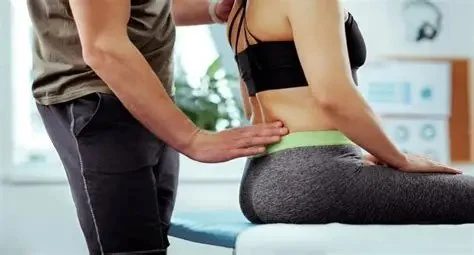
Chiropractic care focuses on diagnosing and treating musculoskeletal disorders, with a particular emphasis on the spine. Chiropractic adjustments are one of the most effective ways to address lower back pain, as they focus on realigning the spine and improving joint mobility.
Chiropractors use specific spinal adjustments to correct misalignments in the vertebrae that may be contributing to your back pain. By restoring proper alignment, these adjustments help reduce pressure on the nerves, alleviate muscle tension, and restore movement in the affected area. This natural approach to healing has been shown to provide long-term relief for many individuals suffering from lower back pain.
3- Expert Tips for Managing Lower Back Pain Naturally
In addition to chiropractic care, there are several natural ways to manage and alleviate lower back pain:
- Stretching and Strengthening Exercises: Regular stretching and strengthening exercises can help improve flexibility and reduce muscle tension in the lower back. A chiropractor can guide you in performing the right exercises that will target the affected areas.
- Correcting Posture: Poor posture is one of the primary causes of lower back pain. Be mindful of your sitting and standing posture throughout the day. Chiropractors often provide guidance on maintaining proper posture to prevent strain on the back.
- Heat and Cold Therapy: Applying heat or cold to the affected area can help reduce inflammation, alleviate pain, and promote healing. A warm compress can help relax tight muscles, while cold packs can reduce swelling and numb the pain.
- Maintaining a Healthy Weight: Extra weight can put additional pressure on the spine, contributing to back pain. Maintaining a healthy weight through proper diet and regular exercise can relieve some of this pressure.
- Sleep Position: Sleeping in a position that supports your spine is essential for managing lower back pain. Sleeping on your back with a pillow under your knees or on your side with a pillow between your knees can help reduce strain.
4- The Importance of Regular Chiropractic Adjustments
One of the key benefits of chiropractic care for lower back pain is the ability to provide long-term relief through regular adjustments. These adjustments not only target the immediate source of pain but also help improve the overall function of the spine and nervous system.
Regular chiropractic visits ensure that any misalignments in the spine are corrected and maintained over time. This helps reduce the recurrence of pain and prevents future injuries. Your chiropractor will tailor a treatment plan to your specific needs, ensuring that you get the most out of your care.
5- Additional Lifestyle Changes for Better Back Health
In addition to chiropractic care, adopting a healthy lifestyle is crucial for managing and preventing lower back pain. Here are some tips that can help:
- Exercise Regularly: Engaging in regular physical activity, especially exercises that strengthen the core, helps protect the spine and reduces the risk of injury.
- Proper Footwear: Wearing supportive shoes can reduce strain on the back, especially if you spend a lot of time standing or walking.
- Mindful Lifting: When lifting heavy objects, always use your legs rather than your back to avoid strain on the lower back muscles.
6- When to Seek Professional Chiropractic Care for Lower Back Pain
If your lower back pain persists despite trying at-home remedies or it worsens over time, it may be time to seek professional chiropractic care. Chiropractors are skilled in identifying the root cause of the pain and can provide effective treatments to help manage it.
Additionally, if you experience other symptoms like numbness, tingling, or weakness in the legs, or if the pain radiates down one or both legs, it's essential to consult with a chiropractor as soon as possible to rule out more serious underlying conditions such as sciatica or a herniated disc.





 SHAW CHIROPRACTIC5.0 (172 reviews)
 Daniel Beeson, DC5.0 (67 reviews)
 Genuine Care Health and Wellness - Amey Muzumdar DC, MS, MBA4.0 (258 reviews)
 OC Wellness Physicians Medical Group4.0 (266 reviews)
 Backcountry Spine & Sport5.0 (32 reviews)
 Manhattan Sports Medicine4.0 (160 reviews)
 Everything You Need to Know About Desk Job Posture Problems from a Chiropractic Perspective
 Understanding the Connection Between Improving Mobility with Chiropractic Care and Your Spine
 How Chiropractors Help with Sciatica Treatment and Why It Works
 Chiropractic for Managing Sports-Related Injuries and Enhancing Recovery
 The Benefits of Chiropractic Care for Digestive Disorders
 How Chiropractors Help With Posture Correction and Why It Works