
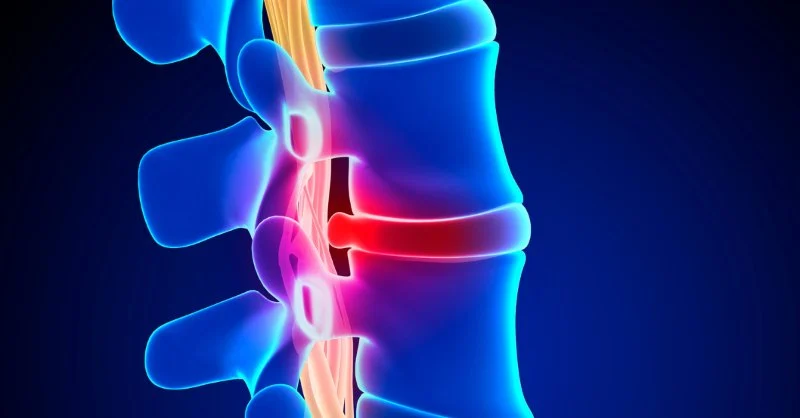
- Understanding Herniated Disc
- How Chiropractic Care Helps with Herniated Disc
- The Benefits of Natural Treatment for Herniated Disc
- Chiropractic Techniques for Herniated Disc Pain Relief
- How to Prevent Further Damage to the Spine
- Expert Tips for Managing Herniated Disc Care
Understanding Herniated Disc
A herniated disc, often referred to as a slipped or ruptured disc, occurs when the soft center of a spinal disc pushes through a crack in the tougher outer layer. This can lead to nerve irritation or compression, resulting in pain, numbness, or weakness in the affected area. It commonly affects the lower back but can also occur in the neck or upper back.
Herniated discs can be caused by aging, injury, or repetitive strain. The pressure placed on the discs over time can cause them to wear down, increasing the likelihood of a herniation. While some herniated discs may heal on their own with proper care, others may require professional intervention, such as chiropractic care, to manage pain and promote healing.
How Chiropractic Care Helps with Herniated Disc
Chiropractic care offers a natural, non-invasive approach to managing herniated disc pain. Chiropractors use spinal manipulation, also known as adjustments, to help restore proper alignment and reduce the pressure on the discs and surrounding nerves. By realigning the spine, chiropractic care can alleviate pain, improve mobility, and reduce inflammation associated with herniated discs.
Chiropractic care focuses on the root cause of the issue, rather than masking the symptoms with medication. This approach promotes long-term relief and healing by addressing misalignments that may be contributing to the herniation. Chiropractic adjustments can also improve the flow of nutrients to the affected area, supporting the body's natural healing processes.
The Benefits of Natural Treatment for Herniated Disc
Choosing natural treatment options like chiropractic care for herniated discs offers several benefits:
- Pain Relief Without Medication: Chiropractic care helps reduce pain and inflammation naturally, without the need for drugs that may have side effects.
- Improved Mobility: Spinal adjustments and other chiropractic techniques can help improve flexibility and restore range of motion, allowing for better movement and less discomfort.
- Faster Recovery: Chiropractic care supports the body's natural healing abilities, promoting quicker recovery from the injury and reducing the risk of long-term damage.
- Prevention of Future Problems: Chiropractors can help you maintain spinal health through regular adjustments, reducing the risk of future herniated discs or other spinal issues.
Chiropractic Techniques for Herniated Disc Pain Relief
Several chiropractic techniques are commonly used to treat herniated discs and alleviate pain:
- Spinal Manipulation (Adjustments): Chiropractors perform manual adjustments to realign the spine, reducing pressure on the affected disc and nerves.
- Decompression Therapy: This technique involves gently stretching the spine to relieve pressure on the discs and promote healing. It can be particularly effective for bulging or herniated discs.
- Soft Tissue Therapy: Techniques such as massage and trigger point therapy can help relieve muscle tension and improve blood flow to the affected area.
- Exercise and Rehabilitation: Chiropractors may recommend specific exercises to strengthen the muscles around the spine, improving posture and preventing further injury.
How to Prevent Further Damage to the Spine
Once you've received chiropractic care for a herniated disc, it's essential to take steps to prevent further damage. Here are some tips to maintain a healthy spine:
- Practice Proper Posture: Maintain good posture when sitting, standing, and lifting to reduce strain on your spine.
- Exercise Regularly: Strengthening the muscles around your spine through low-impact exercises can help prevent further injuries and promote spinal stability.
- Avoid Prolonged Sitting: Take breaks to stand, walk, and stretch if you sit for long periods. Use an ergonomic chair that supports proper spinal alignment.
- Lift Properly: When lifting objects, bend at the knees and use your legs to lift, rather than bending at the waist.
Expert Tips for Managing Herniated Disc Care
Here are some expert tips to manage your herniated disc care and maintain spinal health:
- Follow a Consistent Chiropractic Schedule: Regular chiropractic adjustments can help prevent misalignments and support long-term healing.
- Stay Active: Gentle exercises, such as walking or swimming, can help keep the spine mobile and strengthen the muscles supporting it.
- Use Heat and Ice Therapy: Applying heat or ice to the affected area can help reduce inflammation and relieve pain. Use ice during the first 48 hours and heat after that.
- Stay Hydrated: Drinking plenty of water helps maintain the health of your discs by promoting proper hydration and nutrient flow.
By combining chiropractic care with a healthy lifestyle, you can effectively manage your herniated disc and achieve lasting relief. If you're seeking expert advice or looking for professional care, visit ChiroScope for more information and resources.






 Integrity Family Chiropractic5.0 (49 reviews)
 Cliffside Park Chiro LLC5.0 (1 reviews)
 Body & Spine Solutions4.0 (152 reviews)
 Spine By Design Chiropractic Center5.0 (108 reviews)
 St. Augustine Spine Center5.0 (51 reviews)
 Mandel Chiropractic and Wellness Center4.0 (8 reviews)
 The Science Behind Chiropractic and Ergonomics and Spinal Health Relief | ChiroScope
 Can Chiropractic Care Solve Your Chiropractic and Sleep Problem?
 The Science Behind Chiropractic and Chiropractic for Athletes Relief
 The Link Between Chiropractic Care and Better Sleep Quality: How Chiropractic Treatments Can Improve Your Sleep
 Understanding the Benefits of Pediatric Chiropractic Care for Children
 How Chiropractors Help with Vertigo and Balance Disorders: Solutions for Better Health