
- 1. Understanding Herniated Disc
- 2. Symptoms and Causes of a Herniated Disc
- 3. Chiropractic Care for Herniated Disc
- 4. Benefits of Chiropractic Care for Herniated Disc
- 5. Complementary Treatments for Herniated Disc
- 6. When to Seek Chiropractic Care for a Herniated Disc
1. Understanding Herniated Disc
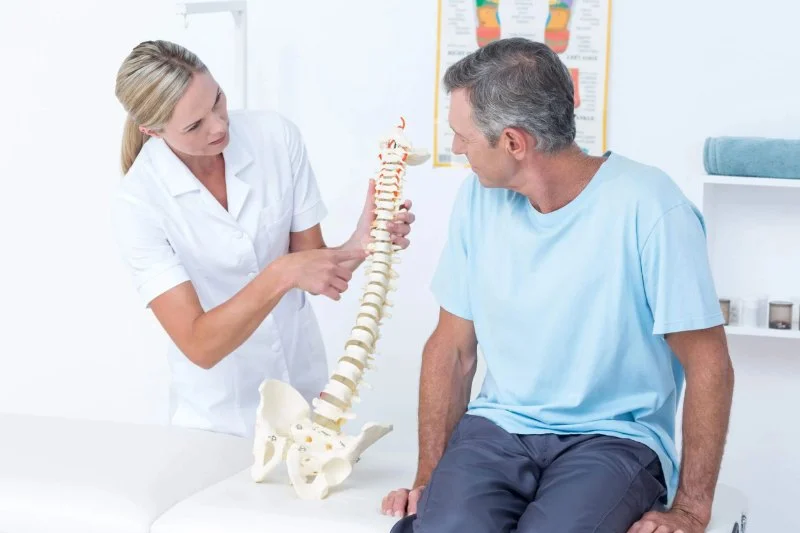
A herniated disc, also known as a slipped or ruptured disc, occurs when one of the rubbery cushions (discs) between the vertebrae in your spine slips out of place or breaks open. This can put pressure on the nearby nerves, causing pain, numbness, or weakness in the affected area. While a herniated disc can occur in any part of the spine, it is most common in the lower back or neck.
Chiropractors play an essential role in managing herniated discs, providing relief from symptoms and helping prevent future occurrences. Understanding the basics of a herniated disc and its implications is vital for effective treatment.
2. Symptoms and Causes of a Herniated Disc
The symptoms of a herniated disc vary depending on its location, the degree of pressure it places on the spinal cord or nerves, and the person's overall health. Common symptoms include:
1. Pain in the Back or Neck
The most common symptom is pain in the lower back or neck, especially when sitting or moving. This pain can range from mild to severe, and it may radiate to the arms or legs, depending on the location of the herniated disc.
2. Numbness or Tingling
People with a herniated disc often experience numbness or a tingling sensation in the extremities, such as the legs, feet, arms, or hands.
3. Muscle Weakness
In more severe cases, the herniated disc may press on nerves, leading to muscle weakness in the affected area. This can make it difficult to perform everyday activities.
4. Sciatica
When a herniated disc occurs in the lower back, it can lead to sciatica, which is characterized by pain that radiates down the sciatic nerve, which runs through the buttocks and legs.
Common causes of a herniated disc include age-related wear and tear, improper lifting, or sudden trauma. A chiropractor can help identify the underlying cause and develop a treatment plan tailored to your needs.
3. Chiropractic Care for Herniated Disc
Chiropractors specialize in diagnosing and treating musculoskeletal conditions, including herniated discs. Chiropractic care aims to reduce pain, improve mobility, and restore function to the spine without the use of invasive procedures or medications. Here’s how chiropractic care can help:
1. Spinal Manipulation and Adjustment
Chiropractors use spinal manipulation and adjustments to realign the spine and reduce pressure on the nerves. By improving the alignment of the vertebrae, these techniques can alleviate pain and improve spinal health.
2. Decompression Therapy
Chiropractors may recommend spinal decompression therapy, which involves gently stretching the spine to create space between the vertebrae. This can relieve pressure on the affected disc, reducing pain and promoting healing.
3. Therapeutic Exercises
Chiropractors often prescribe specific exercises to strengthen the muscles around the spine, improve posture, and promote better spinal alignment. These exercises can help prevent further injury and support long-term recovery.
4. Lifestyle and Ergonomic Advice
Chiropractors also provide guidance on proper posture, body mechanics, and ergonomics to prevent additional stress on the spine. This can include advice on sitting, standing, lifting, and sleeping positions.
4. Benefits of Chiropractic Care for Herniated Disc
Chiropractic care offers a range of benefits for individuals with a herniated disc:
1. Non-Invasive Treatment
One of the key benefits of chiropractic care is that it provides a non-invasive alternative to surgery or prescription medications. Chiropractors focus on natural healing methods to restore spinal health and alleviate pain.
2. Pain Relief
Chiropractic treatments, such as spinal adjustments and decompression therapy, are highly effective in reducing pain associated with herniated discs. Many patients experience significant relief after just a few sessions.
3. Improved Mobility
Chiropractic care can help improve the flexibility and range of motion in the spine, allowing individuals to move more freely and perform daily activities with less discomfort.
4. Long-Term Relief
Unlike temporary pain relief offered by medications, chiropractic care addresses the underlying cause of a herniated disc, helping to provide long-term relief and prevent future problems.
5. Complementary Treatments for Herniated Disc
In addition to chiropractic care, there are other complementary treatments that can help with the management of a herniated disc:
1. Physical Therapy
Physical therapy focuses on strengthening the muscles around the spine and improving posture to reduce pressure on the affected disc. A combination of chiropractic care and physical therapy can be highly effective in promoting recovery.
2. Massage Therapy
Massage therapy can help reduce muscle tension, improve circulation, and promote relaxation. It is often used in conjunction with chiropractic care to alleviate pain and stiffness in the affected area.
3. Pain Management Techniques
For individuals experiencing severe pain, chiropractors may collaborate with other healthcare providers to offer pain management techniques, such as ice or heat therapy, electrical stimulation, or acupuncture.
6. When to Seek Chiropractic Care for a Herniated Disc
It’s important to seek chiropractic care for a herniated disc as soon as symptoms arise. The earlier the condition is diagnosed and treated, the better the chances for successful recovery. If you experience any of the following, consider scheduling a consultation with a chiropractor:
1. Persistent Pain
If you have ongoing back, neck, or leg pain that doesn’t improve with rest or over-the-counter medications, chiropractic care may provide the relief you need.
2. Numbness or Weakness
Any sensation of numbness or weakness in the arms or legs should be addressed immediately to prevent further nerve damage.
3. Difficulty Moving
If your herniated disc is causing difficulty moving or performing daily tasks, chiropractic care can help restore mobility and reduce discomfort.
For a personalized approach to herniated disc care, visit ChiroScope for expert chiropractic treatment that can help manage and alleviate your symptoms.






 Integrity Family Chiropractic5.0 (49 reviews)
 Cliffside Park Chiro LLC5.0 (1 reviews)
 Body & Spine Solutions4.0 (152 reviews)
 Spine By Design Chiropractic Center5.0 (108 reviews)
 St. Augustine Spine Center5.0 (51 reviews)
 Mandel Chiropractic and Wellness Center4.0 (8 reviews)
 The Science Behind Chiropractic and Ergonomics and Spinal Health Relief | ChiroScope
 Can Chiropractic Care Solve Your Chiropractic and Sleep Problem?
 The Science Behind Chiropractic and Chiropractic for Athletes Relief
 The Link Between Chiropractic Care and Better Sleep Quality: How Chiropractic Treatments Can Improve Your Sleep
 Understanding the Benefits of Pediatric Chiropractic Care for Children
 How Chiropractors Help with Vertigo and Balance Disorders: Solutions for Better Health