
- 01-what-is-tmj-and-why-it-affects-so-many-people
- 02-common-causes-of-tmj-and-risk-factors
- 03-tmj-symptoms-and-how-they-affect-daily-life
- 04-the-link-between-tmj-and-spinal-alignment
- 05-how-chiropractors-treat-tmj-naturally-and-effectively
- 06-real-patient-story-how-chiropractic-care-eased-my-tmj
- 07-when-should-you-see-a-chiropractor-for-tmj-symptoms
- 08-find-targeted-tmj-treatment-from-experts-at-chiroscope
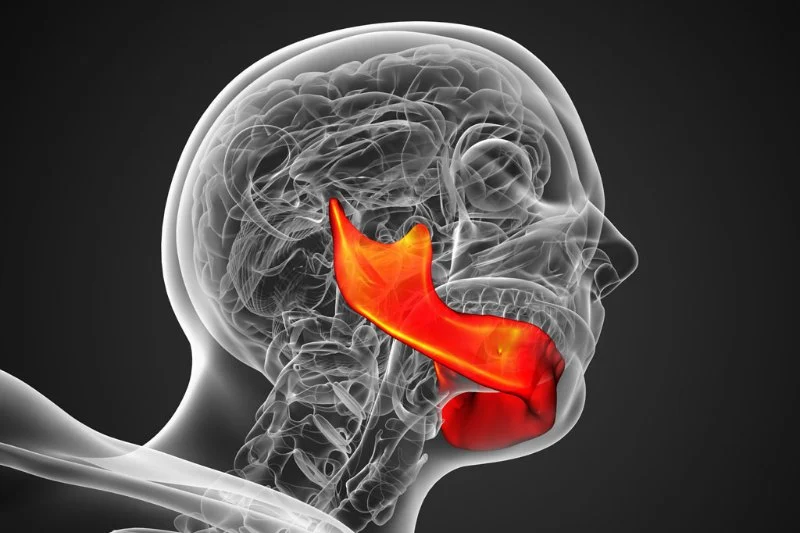
01. What Is TMJ and Why It Affects So Many People
TMJ stands for temporomandibular joint—the hinge connecting your jawbone to your skull. TMJ disorders (commonly referred to as “TMJ” on their own) can cause pain in the jaw joint and the muscles that control jaw movement. For millions of Americans, TMJ pain makes everyday activities like chewing, speaking, or even yawning a challenge.
But what many people don’t realize is that TMJ issues are often more than just jaw-related—they can also be rooted in musculoskeletal imbalances that chiropractors are uniquely qualified to address.
02. Common Causes of TMJ and Risk Factors
So, what causes TMJ? It’s often a combination of physical, emotional, and lifestyle-related factors. These include:
Jaw misalignment: Congenital or developed issues with how the jaw opens and closes.
Teeth grinding or clenching: Often due to stress, especially while sleeping.
Neck and upper spine issues: Poor posture or past injury can affect jaw mechanics.
Arthritis: Inflammatory conditions like osteoarthritis or rheumatoid arthritis can affect the joint.
Even something as common as sitting hunched over your laptop for hours can shift the alignment of your cervical spine and contribute to TMJ dysfunction.
03. TMJ Symptoms and How They Affect Daily Life
TMJ symptoms vary from mild to debilitating, and they often come on gradually. Common signs include:
— Clicking or popping when opening the mouth
— Jaw stiffness or limited movement
— Earaches or ringing in the ears (tinnitus)
— Facial pain or headaches
— Pain when chewing or speaking
Some patients even report dizziness and neck tension—symptoms that mimic migraines or sinus problems. This complexity is exactly why chiropractic evaluation is so valuable in TMJ care.
04. The Link Between TMJ and Spinal Alignment
The jaw doesn’t operate in isolation—it’s part of a connected biomechanical system. Misalignment in the neck, shoulders, or upper back can contribute to improper jaw motion or muscle strain.
Chiropractors often find that correcting cervical spine misalignments improves jaw movement and reduces TMJ-related inflammation. The trigeminal nerve, which plays a key role in jaw sensation, also connects through the spinal column—making the spine-jaw connection more than anatomical theory.
05. How Chiropractors Treat TMJ Naturally and Effectively
Chiropractic care for TMJ focuses on restoring proper alignment, reducing muscle tension, and improving joint mobility—without relying on medications or invasive procedures.
Treatment typically involves:
Spinal adjustments: Targeted manipulations to align the cervical spine and restore proper nerve flow.
Soft tissue therapy: Techniques like trigger point release or myofascial therapy to relax tight jaw and neck muscles.
Jaw mobilization: Gentle adjustments of the temporomandibular joint itself to increase range of motion.
Lifestyle guidance: Chiropractors may suggest posture correction, stress management strategies, or ergonomic improvements to support long-term healing.
Clinics like ChiroScope offer holistic TMJ treatment plans tailored to individual patients and backed by clinical expertise in spinal and neuromuscular health.
06. Real Patient Story: How Chiropractic Care Eased My TMJ
Jennifer, a 34-year-old yoga instructor from Denver, struggled with jaw tightness and headaches for over a year. Her dentist couldn’t find any dental issues and prescribed a night guard, but the symptoms persisted.
After a friend recommended ChiroScope, she scheduled a consultation. The chiropractor discovered cervical misalignment and chronic tightness in her masseter muscles. After just four sessions involving neck adjustments and TMJ-specific soft tissue therapy, Jennifer felt real relief. “I didn’t realise how connected my neck and jaw were,” she said. “It’s the first time I’ve felt like someone treated the root cause.”
07. When Should You See a Chiropractor for TMJ Symptoms?
If your TMJ symptoms are:
— Recurring or chronic
— Not improving with dental solutions
— Associated with neck, back, or shoulder tension
— Affecting your sleep, eating, or mood
…then it’s time to explore chiropractic care. Chiropractors view TMJ in the context of the whole body, which often reveals hidden contributors to the problem that other specialists might miss.
08. Find Targeted TMJ Treatment from Experts at ChiroScope
At ChiroScope, patients receive focused care for TMJ pain that goes beyond quick fixes. Their chiropractors assess posture, spinal health, jaw mobility, and stress patterns to create a fully personalised treatment plan.
Whether you're dealing with mild discomfort or persistent pain that’s interfering with your quality of life, ChiroScope’s approach blends hands-on therapy with whole-body wellness to help you get lasting relief. Book your consultation today and discover how chiropractic can support your journey to a pain-free jaw.






 Lebanon Chiropractic & Fitness4.0 (75 reviews)
 John Rubino, DC5.0 (2 reviews)
 Stuart T. Martin, D.C.5.0 (5 reviews)
 Gates Chiropractic Office5.0 (25 reviews)
 East Allen Chiropractic Center5.0 (13 reviews)
 Y-Strap Doc Tampa4.0 (139 reviews)
 Chiropractic vs Physical Therapy: Which Is Better for Your Spine?
 The Link Between Chiropractic Care and Better Sleep Quality: How Chiropractic Treatments Can Improve Your Sleep
 Can Chiropractic Help in Managing Symptoms of Fibromyalgia?
 How Chiropractic Treatment Can Help With Stress-Induced Conditions
 Top Questions About Frozen Shoulder Relief Answered by Chiropractors
 Chiropractic Adjustments for Releasing Tension and Promoting Relaxation