
 What Causes Herniated Disc Care and How Chiropractors Treat Itherniated disc care, how chiropractors treat herniated disc, herniated disc causes, chiropractic treatment for herniated disc, disc herniation treatment, herniated disc relief, chiropractor for herniated discLearn about the causes of herniated discs and how chiropractors can provide effective treatment. Discover how chiropractic care helps relieve pain and promote healing for a herniated disc.
- 1. Understanding Herniated Disc and Its Causes
- 2. Common Symptoms of Herniated Disc
- 3. How Chiropractors Diagnose and Treat Herniated Disc
- 4. Chiropractic Care vs. Other Treatments for Herniated Disc
- 5. When to Seek Chiropractic Treatment for Herniated Disc
1. Understanding Herniated Disc and Its Causes
A herniated disc, also known as a slipped or ruptured disc, occurs when one of the discs in your spine pushes out of its normal position. These discs are soft, gel-like cushions that sit between the vertebrae in your spine. They act as shock absorbers, helping to protect your bones and support flexibility in your back.
When a disc becomes herniated, the inner material bulges or leaks out, which can press on nearby nerves, leading to pain, numbness, or weakness in the affected area. The most common causes of a herniated disc include:
1.1 Age-Related Degeneration
As we age, the discs in our spine naturally lose water content and become less flexible. This can make them more prone to herniation, especially with sudden or repetitive movements.
1.2 Injury or Trauma
Injury, such as lifting heavy objects improperly or a car accident, can cause a disc to slip or rupture. Even small, repeated motions over time can put stress on the spine and lead to a herniated disc.
1.3 Poor Posture
Long periods of poor posture, especially when sitting or standing, can strain the spine and increase the risk of a herniated disc. Over time, bad posture can contribute to spinal misalignments, which can cause a disc to move out of place.
2. Common Symptoms of Herniated Disc
The symptoms of a herniated disc can vary depending on the location of the herniation and which nerves are affected. Some common symptoms include:
2.1 Pain in the Lower Back or Neck
The most common symptom of a herniated disc is localized pain in the lower back or neck. The pain may start as mild discomfort and gradually worsen as pressure on the nerves increases.
2.2 Radiating Pain
When a herniated disc presses on a nerve, the pain can radiate to other parts of the body, such as the arms, legs, or buttocks. For example, a herniated disc in the lower back may cause pain that runs down the leg (sciatica).
2.3 Numbness and Tingling
In some cases, a herniated disc can cause numbness, tingling, or a "pins and needles" sensation in the affected area. This often occurs when the nerves are compressed or irritated by the bulging disc.
2.4 Weakness
If the herniated disc is pressing on a nerve that controls muscle function, it can lead to weakness in the muscles that rely on that nerve. This can make it difficult to perform everyday tasks like walking, lifting objects, or gripping things tightly.
3. How Chiropractors Diagnose and Treat Herniated Disc
Chiropractors are healthcare professionals who specialize in diagnosing and treating musculoskeletal conditions, including herniated discs. They use a variety of techniques to assess your spine and determine the cause of your symptoms. The chiropractic approach to treating herniated discs focuses on non-invasive, holistic methods that address the root cause of the pain and promote healing.
3.1 Diagnostic Methods
Chiropractors typically begin by conducting a thorough physical exam and discussing your medical history. They may also perform neurological tests to assess muscle strength, reflexes, and sensation. In some cases, X-rays, MRIs, or CT scans may be ordered to confirm the diagnosis and assess the extent of the herniation.
3.2 Chiropractic Adjustments
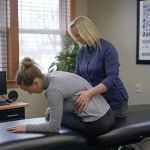
Chiropractic adjustments are the primary treatment for a herniated disc. These gentle, controlled movements aim to restore proper alignment to the spine, reduce pressure on the affected nerves, and improve overall spinal function. By correcting misalignments (subluxations), chiropractic adjustments can alleviate pain, reduce inflammation, and help the body heal naturally.
3.3 Spinal Decompression Therapy
Spinal decompression is another effective treatment offered by chiropractors for herniated discs. This non-surgical therapy uses a motorized table to gently stretch the spine, creating negative pressure that can help pull the disc back into its proper position. This can relieve pressure on the nerves and promote healing of the disc.
3.4 Exercises and Lifestyle Recommendations
Chiropractors often prescribe specific exercises to help strengthen the muscles surrounding the spine, improve posture, and prevent further injury. They may also offer advice on ergonomics and lifestyle changes, such as avoiding heavy lifting or incorporating more movement throughout the day.
4. Chiropractic Care vs. Other Treatments for Herniated Disc
When it comes to treating a herniated disc, there are several options available, ranging from conservative methods to surgical interventions. While surgery is sometimes necessary, chiropractic care offers a safe and effective alternative that avoids the risks and long recovery times associated with surgery.
4.1 Chiropractic vs. Pain Medication
Pain medications, including over-the-counter and prescription drugs, can provide temporary relief from the symptoms of a herniated disc, but they don't address the root cause of the problem. Chiropractors aim to treat the underlying issues, helping to reduce pain without relying on medication.
4.2 Chiropractic vs. Surgery
Surgery for a herniated disc is usually considered a last resort when conservative treatments have failed. Chiropractors, on the other hand, provide non-invasive treatments that may help patients avoid surgery altogether. By focusing on spinal alignment and nerve health, chiropractic care can help many people find relief without needing surgery.
5. When to Seek Chiropractic Treatment for Herniated Disc
If you are experiencing symptoms of a herniated disc, it's important to seek treatment as soon as possible. Early intervention can help reduce pain, prevent further damage, and improve your chances of a full recovery. If you notice persistent pain, numbness, tingling, or weakness that doesn't improve with rest, it may be time to consult a chiropractor for a comprehensive evaluation and treatment plan.
At [ChiroScope], we specialize in treating herniated discs using a combination of chiropractic adjustments, spinal decompression, and exercise therapy. Our experienced team is here to help you find the relief you need and get back to living pain-free. Contact us today to schedule a consultation and learn more about how chiropractic care can help you recover from a herniated disc.






 Kellsie K Davis, DC5.0 (1 reviews)
 Austria Chiropractic4.0 (68 reviews)
 Thrive Chiropractic - Dr. Sharon Dongarra5.0 (34 reviews)
 Dr. Eric R. Schmitt, DC5.0 (1 reviews)
 Car Accident Doctors - Accident Centers of Texas, S. Hampton4.0 (43 reviews)
 Accident Care & Treatment Center5.0 (4 reviews)
 Best Chiropractic Treatments for Ergonomics and Spinal Health According to Experts
 Chiropractic Care for Reducing Inflammation in the Spine and Joints
 Chiropractic Solutions for Managing Back and Neck Pain
 Chiropractic Advice for Sciatica Treatment | Tips You Can Start Today
 Everything You Need to Know About Chiropractic Wellness Routine from a Chiropractic Perspective
 Chiropractic Therapy for Improving Flexibility and Mobility in Older Adults