
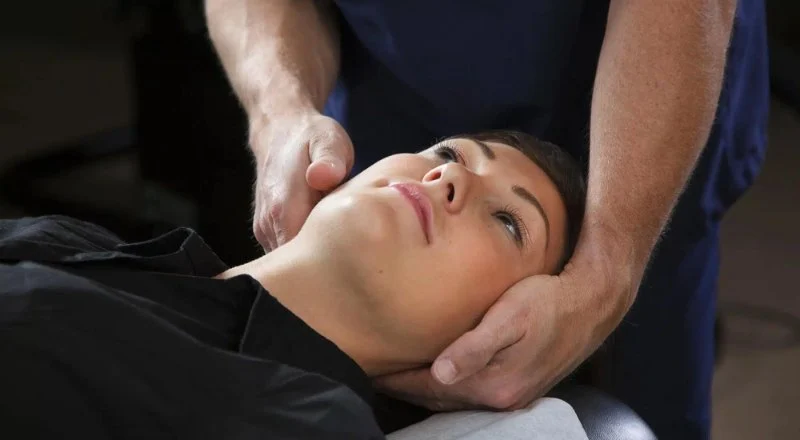
The Science Behind Chiropractic and TMJ Relief
Temporomandibular joint (TMJ) disorders affect millions of people and can lead to a variety of symptoms, including jaw pain, headaches, and difficulty with chewing or speaking. While traditional treatments may include medications or surgery, chiropractic care offers a natural approach to managing TMJ pain. But how exactly does chiropractic care relieve TMJ issues? In this article, we will explore the science behind chiropractic and its role in TMJ relief, shedding light on how spinal alignment and targeted adjustments can help restore comfort and function.
- 1. What is TMJ and How Does It Affect the Body?
- 2. The Connection Between Spinal Health and TMJ Disorders
- 3. How Chiropractic Care Helps Relieve TMJ Symptoms
- 4. Benefits of Chiropractic Treatment for TMJ
1. What is TMJ and How Does It Affect the Body?
The temporomandibular joint (TMJ) connects the jaw to the skull, allowing for the movement necessary for speaking, eating, and facial expressions. TMJ disorders arise when there is dysfunction or misalignment in this joint, leading to pain, clicking, or popping sounds when moving the jaw. Symptoms can vary but often include jaw stiffness, headaches, neck pain, and difficulty chewing. TMJ disorders are frequently caused by factors such as injury, stress, teeth grinding, or poor posture, all of which can lead to the misalignment of the jaw joint.
2. The Connection Between Spinal Health and TMJ Disorders
Interestingly, spinal health is closely linked to TMJ disorders. The spine and jaw are connected through the nervous system, which controls the muscles and joints in both areas. Misalignments in the upper spine, particularly the neck, can affect the jaw's movement and lead to TMJ dysfunction. For example, poor posture or a misaligned spine can cause muscle tension and improper jaw alignment, making TMJ pain worse. Chiropractors focus on the spine's alignment, ensuring that the nerves are free from interference, which in turn can alleviate pressure on the jaw joint.
3. How Chiropractic Care Helps Relieve TMJ Symptoms
Chiropractors use spinal adjustments to restore proper alignment in the neck and upper back, which can relieve tension in the muscles surrounding the jaw. These adjustments are often combined with soft tissue therapies to relax the muscles, reduce inflammation, and improve the range of motion in the jaw. By addressing misalignments in the spine and jaw, chiropractic care can help restore proper function to the TMJ, reducing pain and discomfort associated with the disorder. Chiropractors may also provide exercises and stretches to strengthen the muscles and improve posture, helping prevent future TMJ flare-ups.
4. Benefits of Chiropractic Treatment for TMJ
Chiropractic care offers a variety of benefits for those suffering from TMJ disorders. First, chiropractic adjustments can significantly reduce pain and inflammation in the jaw area. By targeting the root causes of TMJ, such as spinal misalignments or muscle tension, chiropractic care provides lasting relief without the need for medications or invasive procedures. Additionally, chiropractic care helps improve posture, which is essential in preventing further strain on the jaw and neck. Overall, chiropractic treatment promotes better jaw mobility, decreases the frequency of TMJ flare-ups, and enhances overall well-being.
If you're struggling with TMJ pain and looking for a natural, non-invasive treatment option, consider consulting a chiropractor. At ChiroScope, our experienced team of chiropractors can help you achieve relief from TMJ symptoms through targeted adjustments and holistic treatments.






 Paradigm Chiropractic5.0 (24 reviews)
 Pretzinger Good Health Chiropractic5.0 (175 reviews)
 MedStar Head Trauma & Chiropractic Center5.0 (2 reviews)
 Chiropractic Lifestyle Center, P.C.4.0 (6 reviews)
 Ostermeir Sharon DC5.0 (7 reviews)
 Ronda M. Bachenheimer, CH4.0 (53 reviews)
 Understanding the Link Between Chiropractic Care and Enhanced Mobility
 Chiropractic Advice for Chiropractic Safety You Can Start Today
 Chiropractic for Pregnancy: How Care Helps With Pelvic and Back Pain
 Is Chiropractic for Athletes Affecting Your Daily Life? Here’s How a Chiropractor Can Help
 How Climate Affects Your Roofing Choices
 Chiropractic Care for Flexibility and Injury Prevention: Benefits and Techniques