
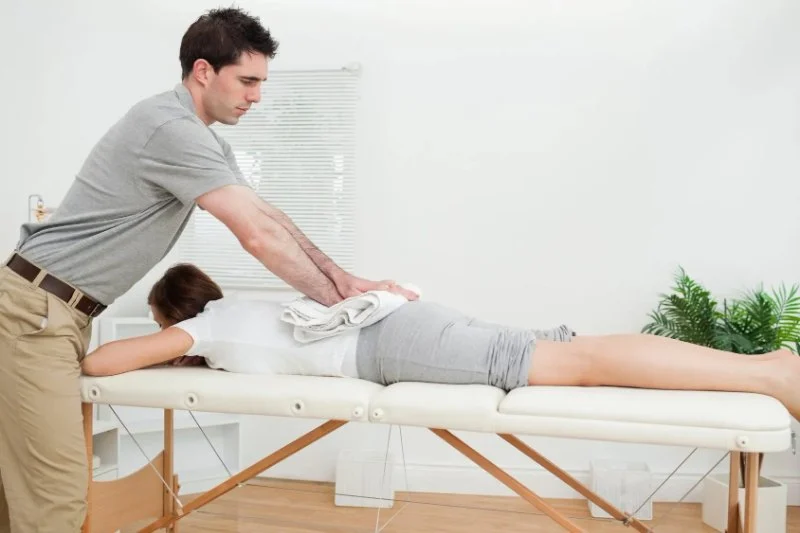
1. Introduction: Understanding Nerve Impingement and Sciatica
Nerve impingement and sciatica are two common conditions that cause significant pain and discomfort. They occur when the nerves in the spine are compressed or irritated, leading to pain that can radiate down the back and legs. While these conditions can be debilitating, chiropractic care offers a natural, non-invasive solution to help manage symptoms and promote healing.
In this article, we will explore how chiropractors treat nerve impingement and sciatica, the benefits of chiropractic care for these conditions, and how it can help alleviate pain and improve mobility.
2. How Chiropractic Care Helps with Nerve Impingement
Nerve impingement, also known as a pinched nerve, occurs when the nerve root in the spine is compressed or irritated by surrounding structures, such as bone, discs, or muscle. This pressure can cause pain, numbness, tingling, or weakness in the affected area. Chiropractic treatment focuses on restoring proper spinal alignment and relieving pressure on the compressed nerve.
Spinal Adjustments
One of the primary methods chiropractors use to treat nerve impingement is spinal adjustments. By performing gentle, precise manipulations of the spine, chiropractors help realign the vertebrae and reduce pressure on the affected nerves. This allows the nerves to function properly, reducing pain and discomfort. Spinal adjustments can also improve mobility and restore the proper range of motion in the affected area.
Therapeutic Exercises and Stretches
In addition to spinal adjustments, chiropractors may recommend therapeutic exercises and stretches to strengthen the muscles around the affected area and improve posture. These exercises can help reduce the likelihood of future nerve impingement and promote long-term healing. Chiropractors may also suggest ergonomic adjustments to your daily routine to prevent unnecessary strain on the spine and nerves.
3. Chiropractic Treatment for Sciatica
Sciatica refers to pain that radiates along the path of the sciatic nerve, which runs from the lower back, through the hips, and down each leg. It is often caused by compression or irritation of the sciatic nerve due to a herniated disc, bone spur, or other spinal conditions. Sciatica can cause sharp, shooting pain, as well as numbness or weakness in the affected leg.
Chiropractic Adjustments for Sciatica
Chiropractors treat sciatica by performing spinal adjustments to realign the spine and reduce pressure on the sciatic nerve. These adjustments help relieve pain, reduce inflammation, and improve nerve function. By addressing the root cause of the problem—whether it’s a herniated disc, spinal misalignment, or muscle tension—chiropractors can help patients experience lasting relief from sciatica.
Flexion-Distraction Therapy
For patients with sciatica, chiropractors may use a technique called flexion-distraction therapy. This method involves gentle stretching of the spine to create space between the vertebrae and relieve pressure on the nerves. It is particularly effective for treating herniated discs and bulging discs, which are common causes of sciatica. Flexion-distraction therapy can help alleviate pain, improve spinal mobility, and reduce nerve irritation.
4. Long-Term Benefits of Chiropractic Care for Nerve Impingement and Sciatica
Chiropractic care is not just about short-term relief; it offers long-term benefits for those suffering from nerve impingement and sciatica. Regular chiropractic adjustments can help maintain proper spinal alignment, reduce the risk of future nerve impingement, and promote overall spinal health. In the long run, chiropractic care can lead to improved posture, better mobility, and enhanced quality of life.
Prevention of Future Injuries
Chiropractic care helps prevent future injuries by addressing the underlying causes of nerve impingement and sciatica. Chiropractors work with patients to improve posture, strengthen muscles, and correct movement patterns that may contribute to spinal misalignment. By adopting these preventive measures, patients can reduce their risk of experiencing nerve impingement or sciatica again in the future.
Enhanced Mobility and Quality of Life
One of the most significant benefits of chiropractic care for nerve impingement and sciatica is the improvement in mobility. With regular chiropractic treatments, patients can experience reduced pain, increased flexibility, and better range of motion. This leads to a more active lifestyle and an overall improved quality of life. Chiropractic care helps people return to their favorite activities and live without the limitations caused by nerve pain.
5. When to See a Chiropractor for Nerve Impingement or Sciatica
If you’re experiencing symptoms of nerve impingement or sciatica, such as persistent pain, tingling, numbness, or weakness in your back or legs, it may be time to visit a chiropractor. A chiropractor can assess your condition, determine the cause of your pain, and develop a personalized treatment plan to help you find relief. Early intervention is key to preventing the condition from worsening and improving your overall health.
Chiropractic care provides a non-invasive, holistic approach to treating nerve impingement and sciatica. If you’re seeking a natural and effective solution for nerve pain relief, consider visiting a chiropractor at ChiroScope for expert care and personalized treatments tailored to your needs.






 Paradigm Chiropractic5.0 (24 reviews)
 Pretzinger Good Health Chiropractic5.0 (175 reviews)
 MedStar Head Trauma & Chiropractic Center5.0 (2 reviews)
 Chiropractic Lifestyle Center, P.C.4.0 (6 reviews)
 Ostermeir Sharon DC5.0 (7 reviews)
 Ronda M. Bachenheimer, CH4.0 (53 reviews)
 Understanding the Link Between Chiropractic Care and Enhanced Mobility
 Chiropractic Advice for Chiropractic Safety You Can Start Today
 Chiropractic for Pregnancy: How Care Helps With Pelvic and Back Pain
 Is Chiropractic for Athletes Affecting Your Daily Life? Here’s How a Chiropractor Can Help
 How Climate Affects Your Roofing Choices
 Chiropractic Care for Flexibility and Injury Prevention: Benefits and Techniques