
- 1. Benefits of Chiropractic Adjustments for Hip and Joint Pain
- 2. How Chiropractic Adjustments Work for Pain Relief
- 3. Types of Chiropractic Adjustments for Hip and Joint Pain
- 4. Real-Life Success Stories of Chiropractic Treatments
- 5. How to Get Started with Chiropractic Care for Pain Relief
1. Benefits of Chiropractic Adjustments for Hip and Joint Pain
Chiropractic care is an effective, non-invasive treatment option for people suffering from hip and joint pain. One of the primary benefits of chiropractic adjustments is their ability to improve mobility and reduce inflammation in the joints. Regular chiropractic care can help reduce pain, increase range of motion, and restore proper alignment of the spine and joints. For those who experience chronic hip and joint pain, chiropractic treatments offer a natural solution that minimizes reliance on medication or surgery.
2. How Chiropractic Adjustments Work for Pain Relief
Chiropractic adjustments target the misalignments (also called subluxations) in the spine and other joints, aiming to restore normal function and alleviate pain. By applying precise and controlled force to the affected areas, chiropractors can correct these misalignments, which can cause pain and restrict movement. This process helps relieve pressure on the nervous system, reducing muscle tension, improving circulation, and promoting the body's natural healing abilities.
In particular, chiropractic care addresses the root causes of joint pain, such as improper posture, repetitive motion, or injury. By realigning the spine and joints, chiropractors help the body restore balance and optimize movement. This allows for improved flexibility and a reduction in discomfort.
3. Types of Chiropractic Adjustments for Hip and Joint Pain
There are several types of chiropractic adjustments that can effectively address hip and joint pain. Each technique is designed to target specific areas and improve joint function:
1. Spinal Manipulation
Spinal manipulation, or spinal adjustments, is a common chiropractic technique used to treat joint pain. This method involves using controlled force to adjust the spine and other joints, realigning them to improve movement and reduce pain. By targeting the spine, spinal manipulation can also alleviate pressure on the nerves that control the hips and other joints.
2. Extremity Adjustments
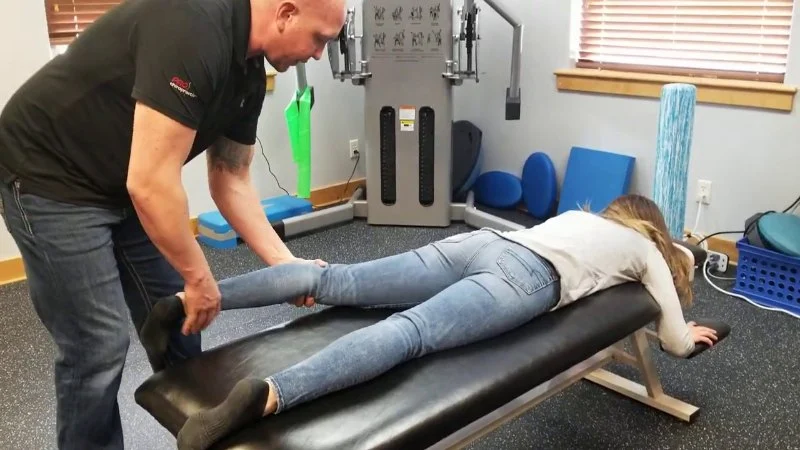
Extremity adjustments involve the manipulation of joints outside the spine, including the hips, knees, shoulders, and elbows. This type of adjustment is beneficial for individuals with joint pain caused by issues such as arthritis or injury. Chiropractors use precise movements to restore proper joint alignment, reduce inflammation, and improve range of motion.
3. Flexion-Distraction Technique
This technique is used to treat conditions like disc herniation or sciatic nerve pain that can affect the hip and lower back. The chiropractor uses a specialized table that gently stretches the spine to create space between the vertebrae, relieving pressure on the discs and nerves. This method can provide significant relief for people suffering from hip and joint pain caused by nerve compression.
4. Real-Life Success Stories of Chiropractic Treatments
Many individuals have found relief from hip and joint pain through chiropractic care. Take, for example, Sarah, a 45-year-old woman who suffered from chronic hip pain for years. After trying various treatments with no lasting results, Sarah turned to chiropractic care. Through consistent spinal and extremity adjustments, her pain diminished significantly, and she regained mobility. Now, she can enjoy her daily activities without the constant discomfort that once held her back.
Another success story comes from Michael, a 60-year-old man with arthritis in his knee and hip joints. After several months of chiropractic adjustments, he reported less stiffness and better flexibility. His chiropractor incorporated a combination of spinal manipulation and extremity adjustments, providing lasting relief from the pain and improving his overall quality of life.
5. How to Get Started with Chiropractic Care for Pain Relief
If you are considering chiropractic care for hip and joint pain, here are a few steps to help you get started:
1. Consult with Your Doctor
Before beginning chiropractic care, it’s important to consult with your primary care physician, especially if you have preexisting health conditions. Your doctor can help determine if chiropractic treatment is appropriate for you and guide you on the best course of action.
2. Find a Qualified Chiropractor
Look for a licensed chiropractor who specializes in joint pain and has experience with the techniques you are interested in. It's essential to choose a professional who makes you feel comfortable and can tailor the treatments to your specific needs.
3. Stay Consistent with Your Treatment
Chiropractic care works best when it is part of a consistent treatment plan. Depending on the severity of your pain, your chiropractor may recommend regular visits initially, followed by a maintenance schedule. Make sure to follow the treatment plan to see the best results.
Chiropractic adjustments are a proven way to manage and relieve hip and joint pain, offering a natural alternative to medication or surgery. With the right care, many individuals experience significant improvements in mobility, comfort, and overall health. For more information on chiropractic services and to get started with treatments, visit ChiroScope.






 Lebanon Chiropractic & Fitness4.0 (75 reviews)
 John Rubino, DC5.0 (2 reviews)
 Stuart T. Martin, D.C.5.0 (5 reviews)
 Gates Chiropractic Office5.0 (25 reviews)
 East Allen Chiropractic Center5.0 (13 reviews)
 Y-Strap Doc Tampa4.0 (139 reviews)
 Chiropractic vs Physical Therapy: Which Is Better for Your Spine?
 The Link Between Chiropractic Care and Better Sleep Quality: How Chiropractic Treatments Can Improve Your Sleep
 Can Chiropractic Help in Managing Symptoms of Fibromyalgia?
 How Chiropractic Treatment Can Help With Stress-Induced Conditions
 Top Questions About Frozen Shoulder Relief Answered by Chiropractors
 Chiropractic Adjustments for Releasing Tension and Promoting Relaxation