
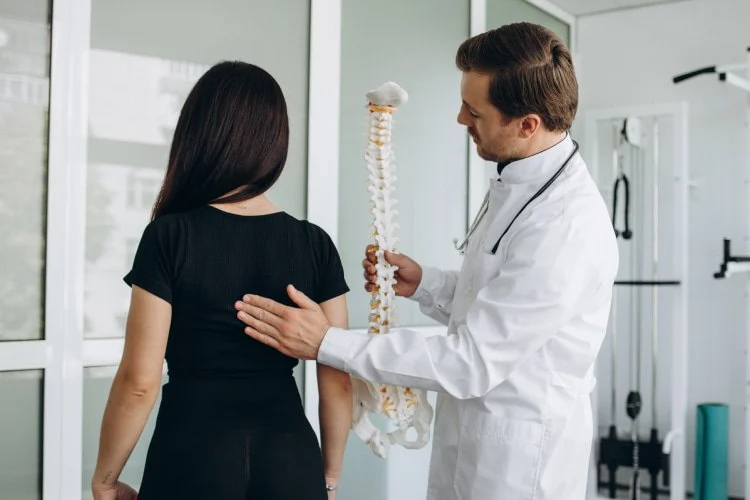
- 1. Understanding Scoliosis
- 2. Can Chiropractic Care Help Relieve the Symptoms of Scoliosis?
- 3. Chiropractic Treatments for Scoliosis
- 4. Benefits of Chiropractic Care for Scoliosis
- 5. How to Choose the Right Chiropractor for Scoliosis
1. Understanding Scoliosis
Scoliosis is a medical condition where the spine curves sideways, often in a "C" or "S" shape. This condition can develop during childhood or adolescence, although it can also appear in adulthood due to degenerative changes in the spine. Scoliosis can cause various symptoms, including back pain, stiffness, and in some cases, difficulty breathing, depending on the severity of the curvature. Managing scoliosis requires a comprehensive approach, and many people with this condition seek treatments that can alleviate their symptoms and improve their quality of life.
2. Can Chiropractic Care Help Relieve the Symptoms of Scoliosis?
Chiropractic care can be an effective complementary treatment for managing the symptoms of scoliosis. While chiropractic care does not cure scoliosis or reverse spinal curvature, it can significantly improve quality of life by addressing pain and discomfort caused by the condition. Chiropractors use a variety of techniques to help manage scoliosis, including spinal adjustments, postural corrections, and exercises designed to strengthen the muscles supporting the spine. These treatments can help reduce pain, increase flexibility, and improve overall spinal health.
Many scoliosis patients report experiencing pain relief, improved mobility, and a reduction in the frequency of flare-ups after chiropractic treatment. Chiropractic care also emphasizes the importance of overall spinal health, which is essential for those living with scoliosis.
3. Chiropractic Treatments for Scoliosis
Chiropractors utilize several treatments to help alleviate the symptoms of scoliosis. These treatments aim to address spinal misalignments, improve posture, and reduce muscle tension. Some common chiropractic treatments for scoliosis include:
Spinal Adjustments
Spinal adjustments, also known as spinal manipulations, are one of the most commonly used chiropractic techniques for scoliosis. These adjustments involve the chiropractor applying controlled pressure to specific areas of the spine to restore alignment. This can help reduce pain and improve spinal function, particularly in areas affected by scoliosis.
Postural Correction
Chiropractors focus on improving posture in scoliosis patients, as poor posture can exacerbate symptoms. By teaching patients proper body mechanics and alignment, chiropractors help reduce strain on the spine and prevent further curvature. Postural correction exercises are often part of a chiropractic treatment plan.
Stretching and Strengthening Exercises
Chiropractors may also recommend specific exercises to stretch tight muscles and strengthen the muscles surrounding the spine. These exercises help to maintain balance in the body and prevent the muscles from becoming weak or overactive, which can worsen scoliosis symptoms.
4. Benefits of Chiropractic Care for Scoliosis
Chiropractic care offers several benefits for individuals with scoliosis, including:
Pain Relief
Chiropractic adjustments can provide significant pain relief by reducing spinal misalignments and addressing muscle tension in the back. Many scoliosis patients experience decreased discomfort and improved function after chiropractic treatment.
Improved Mobility
Chiropractic care helps improve spinal mobility, allowing patients with scoliosis to move more freely. Improved flexibility can reduce stiffness and prevent future complications caused by limited range of motion.
Prevention of Further Deformities
Chiropractic treatment helps maintain the spine's alignment, which may prevent the progression of the scoliosis curvature. Early intervention and regular chiropractic care can help prevent the condition from worsening, particularly in cases of adolescent scoliosis.
5. How to Choose the Right Chiropractor for Scoliosis
Choosing the right chiropractor is crucial for managing scoliosis symptoms. Here are some key factors to consider when selecting a chiropractor:
Experience with Scoliosis
It's essential to find a chiropractor who has experience treating scoliosis patients. Chiropractors who specialize in spinal conditions can provide the most effective treatment options tailored to your needs.
Certifications and Qualifications
Make sure the chiropractor is licensed and certified in your state. Check their qualifications and whether they have received additional training in treating scoliosis or spinal conditions.
Patient Reviews and Testimonials
Researching patient reviews and testimonials can help you gauge the chiropractor's effectiveness. Reviews from other scoliosis patients can provide insight into how the chiropractor's treatments have helped manage symptoms.
It's also helpful to schedule an initial consultation to discuss your specific concerns and see how comfortable you feel with the chiropractor's approach to care.



 Paradigm Chiropractic5.0 (24 reviews)
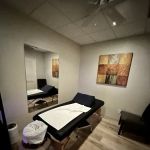 Pretzinger Good Health Chiropractic5.0 (175 reviews)
 MedStar Head Trauma & Chiropractic Center5.0 (2 reviews)
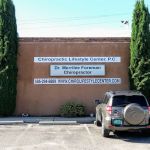 Chiropractic Lifestyle Center, P.C.4.0 (6 reviews)
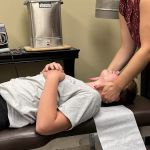 Ostermeir Sharon DC5.0 (7 reviews)
 Ronda M. Bachenheimer, CH4.0 (53 reviews)
 Understanding the Link Between Chiropractic Care and Enhanced Mobility
 Chiropractic Advice for Chiropractic Safety You Can Start Today
 Chiropractic for Pregnancy: How Care Helps With Pelvic and Back Pain
 Is Chiropractic for Athletes Affecting Your Daily Life? Here’s How a Chiropractor Can Help
 How Climate Affects Your Roofing Choices
 Chiropractic Care for Flexibility and Injury Prevention: Benefits and Techniques