
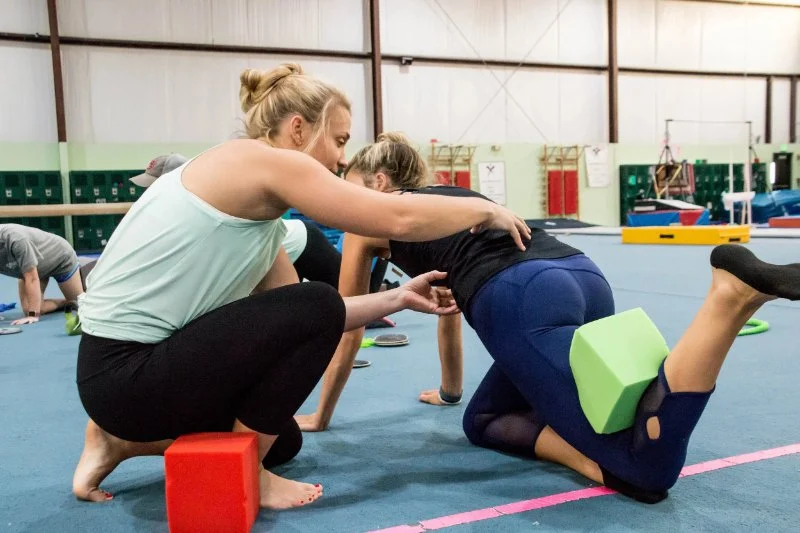
- 1-Understanding-Gymnast-Injuries
- 2-Wrist-Impaction-Injuries
- 3-Back-Hyperextension-Injuries
- 4-Role-of-Chiropractic-Care
- 5-Assessment-and-Diagnosis
- 6-Chiropractic-Treatment-Techniques
- 7-Rehabilitation-and-Strengthening
- 8-Real-Life-Gymnast-Recovery-Stories
- 9-Preventing-Future-Injuries
1. Understanding Gymnast Injuries
Gymnastics places extreme stress on joints and the spine. High-impact landings, repetitive wrist loading, and back arching can lead to wrist impaction and back hyperextension injuries. Understanding injury mechanisms is essential for targeted treatment.
1.1 Common Injury Patterns
Wrist impaction occurs when compressive forces during handstands or vault landings exceed joint tolerance. Hyperextension of the spine often results from repetitive back bends in tumbling and floor routines.
1.2 Impact on Performance
These injuries can cause pain, reduce mobility, and limit training capacity. Early intervention prevents long-term complications and supports continued athletic development.
2. Wrist Impaction Injuries
Wrist impaction injuries involve compression between carpal bones and the distal radius. Symptoms include localized pain, swelling, and decreased strength, particularly during weight-bearing exercises.
2.1 Causes and Risk Factors
High-volume handstands, vaulting, and uneven bars increase risk. Poor technique, inadequate warm-up, and pre-existing joint instability can exacerbate injuries.
2.2 Diagnostic Approaches
Chiropractors use physical exams, imaging, and joint mobility assessments to identify impaction severity and plan effective care strategies.
3. Back Hyperextension Injuries
Excessive spinal extension can strain ligaments, facet joints, and vertebral discs. Common in floor and balance routines, these injuries manifest as mid-back or lower-back pain, stiffness, and fatigue.
3.1 Common Mechanisms
Repeated arching during tumbling passes, vault approaches, and dismounts can stress spinal structures beyond safe limits.
3.2 Symptoms and Complications
Pain, reduced flexibility, and muscular imbalances can arise if untreated. Chronic hyperextension may lead to long-term spinal issues, making early chiropractic care crucial.
4. Role of Chiropractic Care
Chiropractic care addresses joint dysfunction, improves mobility, and alleviates pain. It integrates manual adjustments, soft tissue therapy, and rehabilitative exercises to restore optimal function.
4.1 Targeted Adjustments
Adjustments correct misalignments in the wrist and spine, improving biomechanics and reducing stress on vulnerable joints.
4.2 Soft Tissue and Myofascial Therapy
Chiropractors employ techniques such as massage, trigger point therapy, and stretching to relieve muscular tension and enhance recovery.
5. Assessment and Diagnosis
Proper assessment ensures individualized treatment plans.
5.1 Comprehensive Evaluation
Chiropractors evaluate range of motion, strength, pain levels, and joint stability. Functional assessments during gymnastics-specific movements help identify problem areas.
5.2 Imaging and Tests
X-rays, MRI, or ultrasound may be used to detect bone, ligament, or cartilage involvement, guiding safe intervention strategies.
6. Chiropractic Treatment Techniques
Effective techniques for gymnasts include:
6.1 Wrist Mobilization and Taping
Manual wrist mobilization and supportive taping improve stability, reduce impact stress, and promote healing during training.
6.2 Spinal Adjustments
Targeted spinal adjustments restore alignment, improve mobility, and relieve hyperextension-induced discomfort.
6.3 Therapeutic Exercises
Strengthening wrist stabilizers and spinal core muscles enhances support and reduces recurrence risk.
7. Rehabilitation and Strengthening
Rehabilitation focuses on restoring functional performance while preventing future injuries.
7.1 Progressive Loading
Gradually increasing weight-bearing exercises and gymnastics-specific drills rebuild strength and resilience.
7.2 Flexibility and Core Stability
Stretching, core strengthening, and proprioceptive training improve balance, prevent hyperextension, and maintain wrist health.
8. Real-Life Gymnast Recovery Stories
A young gymnast with chronic wrist impaction and back hyperextension incorporated chiropractic care alongside targeted strengthening. Over several weeks, pain diminished, mobility improved, and performance returned to pre-injury levels. This demonstrates how tailored chiropractic interventions can expedite recovery while maintaining competitive training.
8.1 Key Takeaways
Early diagnosis, individualized adjustments, and focused rehabilitation are essential for effective recovery. Integration of chiropractic care into gymnastics routines supports long-term joint health.
9. Preventing Future Injuries
Long-term prevention combines technique optimization, conditioning, and ongoing chiropractic maintenance. Platforms like ChiroScope offer resources, guidance, and professional services to support gymnasts in sustaining peak performance while minimizing injury risk.






 Dr. Breck Chiropractic4.0 (35 reviews)
 Abby Ziser, DC5.0 (24 reviews)
 Patrick J. Friend, DC5.0 (3 reviews)
 Struebing Family Chiropractic5.0 (11 reviews)
 Spine Chiropractic & Rehab Center5.0 (3 reviews)
 Integrated Healthcare of Montclair - Dr. Tyran G. Mincey, DC Board Certified Applied Kinesiologist, Master herbalist5.0 (9 reviews)
 Can a Chiropractor Help with Ear Infections in Children? What Parents Need to Know
 Chiropractic Care for Athletes: Boosting Performance and Preventing Injuries
 Chiropractic Treatment for Back and Neck Pain from Sitting at a Desk
 Chiropractic Safety FAQs | Expert Chiropractor Answers
 How to Relieve Pain with Chiropractic vs Physical Therapy Without Medication – Chiropractor Approved
 Everything You Need to Know About Chiropractic Myths from a Chiropractic Perspective