
- 1 - Understanding TMJ and Its Impact
- 2 - What is TMJ (Temporomandibular Joint Disorder)?
- 3 - Common Symptoms of TMJ
- 4 - How Chiropractic Care Helps with TMJ
- 5 - Other Treatment Options for TMJ
- 6 - Case Study: How Chiropractic Helped Alleviate TMJ Pain
- 7 - Pro Tips for Managing TMJ at Home
- 8 - Conclusion: The Benefits of Chiropractic for TMJ Relief
1 - Understanding TMJ and Its Impact
Temporomandibular joint (TMJ) disorder is a common condition that affects the jaw and the muscles controlling jaw movement. It can cause significant discomfort and can impact a person’s ability to speak, eat, and even breathe properly. For many people, TMJ can result in long-term pain and frustration. Fortunately, chiropractic care has proven to be an effective way to treat and manage TMJ symptoms.
In this article, we’ll dive into what TMJ is, the symptoms to watch out for, and how chiropractic care can help provide relief from this often debilitating condition.
2 - What is TMJ (Temporomandibular Joint Disorder)?
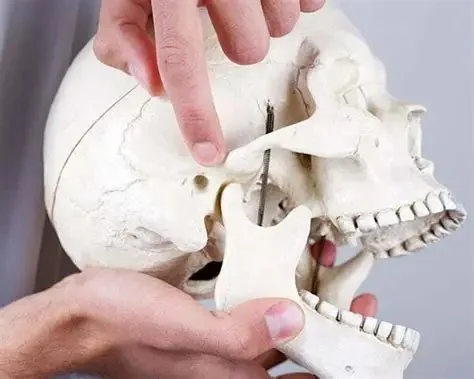
TMJ refers to a disorder of the temporomandibular joint, which connects your jaw to your skull. It plays a crucial role in the movement of your mouth, allowing you to chew, speak, and yawn. When this joint becomes misaligned or damaged, it can lead to pain, stiffness, and restricted movement.
TMJ can occur due to a variety of factors, including injury, teeth grinding, arthritis, or jaw misalignment. While the exact cause can vary from person to person, the disorder typically leads to inflammation and discomfort in the joint, as well as a range of other symptoms that can make daily life difficult.
3 - Common Symptoms of TMJ
TMJ symptoms can vary, but they often include:
- Jaw pain or tenderness, especially when chewing or speaking
- Clicking or popping sounds when opening or closing the mouth
- Headaches or migraines
- Facial pain or discomfort around the jawline
- Difficulty opening the mouth fully
- Neck or shoulder pain due to muscle tension
- Earaches or a feeling of fullness in the ears
If you experience any of these symptoms, it’s essential to seek medical advice to determine whether TMJ is the cause and explore treatment options like chiropractic care.
4 - How Chiropractic Care Helps with TMJ
Chiropractic care can be an effective treatment for TMJ because it focuses on realigning the spine and jaw to alleviate pressure on the temporomandibular joint. Chiropractors use a range of techniques to address the underlying causes of TMJ and restore proper function to the jaw and surrounding muscles.
1. Spinal Adjustments: A chiropractor can perform spinal adjustments to correct misalignments in the neck or upper back that may be contributing to TMJ pain. By aligning the spine, chiropractors can reduce muscle tension and improve posture, both of which help alleviate pressure on the jaw.
2. Jaw Manipulation: Chiropractors may also perform gentle manipulation of the jaw to help improve its alignment and function. This can help reduce pain and stiffness, making it easier to move the jaw without discomfort.
3. Soft Tissue Therapy: Chiropractors often use techniques such as massage or myofascial release to relax the muscles around the jaw. This helps reduce muscle spasms and tension, which are common with TMJ.
5 - Other Treatment Options for TMJ
While chiropractic care is an effective option, there are other treatment approaches that can be used in conjunction with chiropractic care to provide comprehensive relief from TMJ symptoms:
- Mouthguards: Custom-made mouthguards can help prevent teeth grinding and alleviate stress on the jaw muscles.
- Physical Therapy: Physical therapy can help strengthen the jaw muscles and improve range of motion.
- Medications: Nonsteroidal anti-inflammatory drugs (NSAIDs) or muscle relaxants can help manage pain and inflammation.
- Heat or Cold Therapy: Applying heat or cold to the affected area can help reduce swelling and improve circulation.
A combination of these treatments, along with chiropractic care, can provide effective relief from TMJ symptoms and improve overall jaw health.
6 - Case Study: How Chiropractic Helped Alleviate TMJ Pain
Jane, a 34-year-old office worker, had been experiencing chronic jaw pain and headaches for several months. After seeking help from her chiropractor, she discovered that her posture and misaligned neck were contributing to her TMJ symptoms. Through a series of chiropractic adjustments and jaw manipulation techniques, Jane experienced a significant reduction in pain and muscle tension. Her headaches also decreased in frequency, and she regained a greater range of motion in her jaw.
Jane’s success story is just one example of how chiropractic care can provide long-term relief from TMJ symptoms and improve quality of life for those suffering from this condition.
7 - Pro Tips for Managing TMJ at Home
If you suffer from TMJ, there are several self-care techniques you can incorporate into your routine to help manage symptoms:
- Avoid Hard or Chewy Foods: Eating softer foods can help reduce stress on your jaw.
- Practice Relaxation Techniques: Stress can exacerbate TMJ symptoms, so practicing relaxation methods like deep breathing or meditation can help reduce muscle tension.
- Warm Compresses: Applying a warm compress to your jaw can help relax the muscles and alleviate pain.
8 - Conclusion: The Benefits of Chiropractic for TMJ Relief
Chiropractic care can be an excellent option for managing and treating TMJ disorder. By addressing the underlying causes of jaw pain, improving posture, and relieving muscle tension, chiropractors can help alleviate TMJ symptoms and improve overall jaw health. If you're experiencing symptoms of TMJ, consider visiting a chiropractor to explore your treatment options.
For more information on chiropractic care and to find the best services in your area, visit ChiroScope for expert recommendations and resources.






 Prodigy Chiro Care and Spinal Decompression (Culver City)4.0 (52 reviews)
 REACH Wellness4.0 (28 reviews)
 Hope Chiropractic Accident Injuries & Wellness4.0 (134 reviews)
 Mission Chiropractic and Wellness4.0 (223 reviews)
 Hudson Sport & Spine Chiropractic & Physical Therapy4.0 (243 reviews)
 Central Care Chiropractic4.0 (14 reviews)
 How Chiropractic Adjustments Can Improve Physical and Mental Health | ChiroScope
 Understanding the Connection Between Chiropractic vs Physical Therapy and Your Spine
 How Chiropractic Adjustments Can Improve Your Health and How Often to Visit a Chiropractor
 The Science Behind Chiropractic and Pregnancy: How Chiropractic Relief Can Help
 Everything You Need to Know About Pinched Nerve from a Chiropractic Perspective
 How Chiropractic Therapy Can Improve Athletic Performance and Flexibility | ChiroScope